If you have been seeking to know the richest tribes in Africa, then you’re in the right blog. I have taken my time to do good research and ask questions to gather all the information offered here, so keep reading.
Therefore, when discussing the richest tribes in Africa, it is important to understand the fact that wealth is not only measured by money, but also by factors such as education, business influence, political power, natural resources, and cultural heritage.
However, Africa is a continent rich in culture, diversity, and natural resources, and is often identified by their high levels of entrepreneurship, historical economic power, and regional influence.
Therefore, in this article, we will be exploring the top wealthiest tribes in Africa.
Read Also: Top 7 Most Educated Tribes In South Africa for 2026
Top 10 Richest Tribes In Africa
1. Igbo (Nigeria)
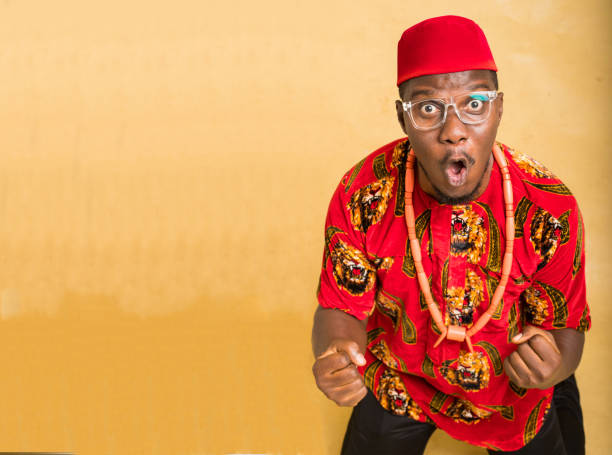
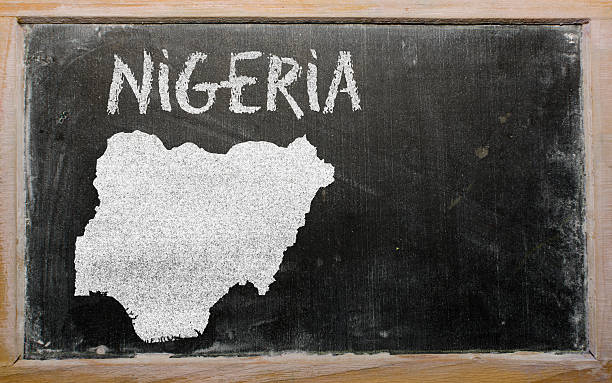
The first on our list is the Igbos. The Igbo people, also known as (Ndi Igbo), native to southeastern Nigeria, are widely recognised as one of the most commercially successful and affluent ethnic groups in Africa, and this ranks them the richest tribe in Africa.
Therefore, their reputation for wealth is built upon a strong culture of entrepreneurship, a unique apprenticeship system, and a remarkable ability to rebuild economic power.
Due to their industrious nature, the Igbo are sometimes referred to as the “Chinese of Africa,” recognised for their ability to dominate manufacturing, trade, and commerce.
2. Yoruba (Nigeria)
The Yoruba people, primarily located in southwestern Nigeria, are considered one of Africa’s most economically influential tribes due to early adoption of Western education, high urbanisation rates, and dominance in finance, trade, and media.
Furthermore, with an estimated population of over 35 million, they are a major economic force in West Africa. They are also known for a rich cultural heritage, including intricate art, music, and a strong, centralised historical lineage often traced back to Ile-Ife.
3. Zulu (South Africa)
The third on the list are the Zulu people, numbering over 10-12 million, constitute South Africa’s largest ethnic group, primarily based in the wealthy KwaZulu-Natal province.
This tribe is known for a strong historical warrior tradition; they are considered one of Africa’s wealthiest groups due to their significant influence in business, politics, and tourism, along with a rich, widely respected culture.
They speak isiZulu, a Bantu language, and maintain a proud cultural identity often highlighted by colourful traditional clothing, ceremonial dancing, and intricate beadwork.
4. Hausa-Fulani (Nigeria/West Africa)
The Hausa-Fulani are a dominant, historically wealthy, and populous group, widely considered among the most influential in Africa, particularly within the Sahel region.
Their wealth stems from centuries of trans-Saharan trade, agricultural productivity, cattle ownership, transportation and a strong, educated urban elite, with over 100 million people often associated with Hausa language and culture.
5. Berbers (North Africa)
The Berbers, or Amazigh (meaning free people), are an indigenous population of North Africa spread across Morocco, Algeria, Tunisia, Libya, and Mauritania.
They are frequently ranked among the wealthiest and most influential cultural groups on the continent, not only for their economic impact but also for their profound cultural, historical, and strategic heritage.
Berbers form the backbone of the tourist trade in Morocco and Algeria, leveraging their reputation for hospitality, rich culture, and expertise in navigating the Sahara and mountain regions.
6. Bamileke (Cameroon)
The Bamileke people, a Bantu community primarily located in the Western Highlands of Cameroon, are renowned as one of Africa’s most economically dynamic and enterprising groups.
Their wealth stems from a strong culture of entrepreneurship, intensive agriculture, and a highly organised social structure, featuring numerous kingdoms and a patriarchal heritage system. Often described as key drivers of commerce in Cameroon, they hold a reputation for financial success and community cohesion.
7. Ashanti (Ghana)
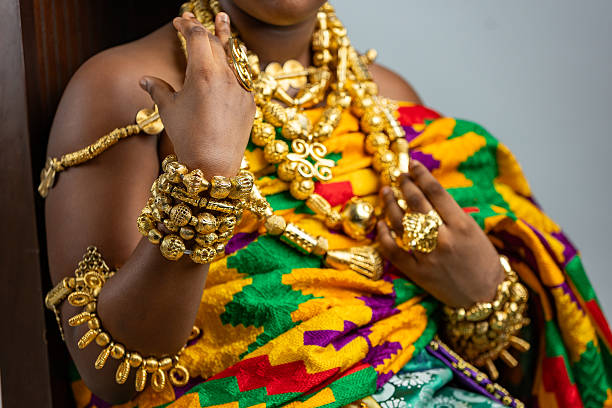
The Ashanti people (or Asante) are consistently ranked among the wealthiest and most influential ethnic groups in Africa, primarily due to their deep-rooted history of gold wealth, a highly organised traditional kingdom, and a strategic location in present-day Ghana.
However, their legacy as a powerhouse in West Africa, dating back to the 17th century, is built on massive gold deposits, active trading, and a vibrant cultural heritage.
Historically, gold dust was used as the everyday currency within the empire, accumulating wealth for a strong merchant class and enabling even commoners to use gold ornamentation.
8. Kikuyu (Kenya)
The Kikuyu (Agĩkũyũ) people are the largest ethnic group in Kenya, constituting approximately 17% to 22% of the population, and are widely regarded as one of the most economically influential communities in East Africa.
Their economic prominence is frequently attributed to a combination of historical factors, intense agricultural productivity, and a deeply ingrained entrepreneurial spirit that has allowed them to dominate various sectors of the Kenyan economy.
9. Xhosa (South Africa)
The Xhosa people, primarily residing in South Africa’s Eastern Cape Province, are frequently ranked among the wealthiest tribes in Africa.
Their reputation for wealth is derived from a combination of significant political influence, educational advancement, and high-profile leadership roles within South Africa rather than just traditional ownership of mineral resources.
10. Tutsi (Rwanda)
The Tutsi people of Rwanda and Burundi, traditionally a minority group within the African Great Lakes region, have historically been characterised by their socioeconomic standing as an affluent cattle-herding aristocracy.
Their reputation as one of the wealthier groups in the region is rooted in traditional wealth measurement, where cattle ownership was the primary marker of prosperity.
Frequently Asked Questions (FAQs)
1. Who is the richest African in 2026?
The richest African is a Nigerian industrialist, Aliko Dangote, who retained his position as Africa’s richest man, with an estimated net worth of about $28.5 billion.
2. Who was the most powerful tribe in Africa?
Historical records and tales have shown that the Ancient Somalis were the most powerful warriors in Africa.
3. What is the cleanest country in Africa?
Rwanda is widely recognised as the cleanest country in Africa, with its capital, Kigali, frequently ranked among the cleanest cities on the continent.
Conclusion
All the tribes highlighted above are the top 10 richest tribes in Africa and have achieved their status through a combination of hard work, strategic use of resources, education, and strong cultural values.