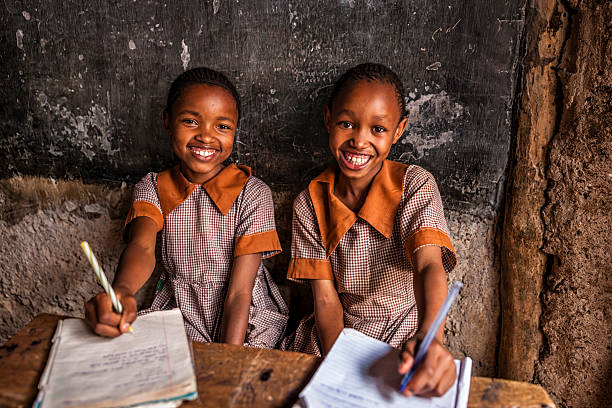
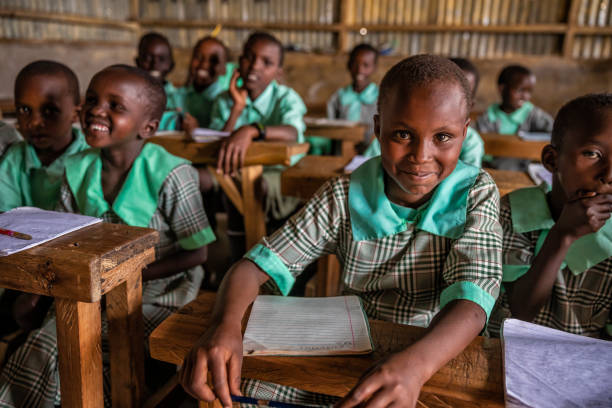
It will interest you to know that there are different English-speaking tribes in Uganda, and although English is Uganda’s official language, it is spoken widely across all tribes, particularly in urban areas, schools, and business.
Over time, some tribes have become more fluent in English than others, largely because of early exposure to Western education, access to schools, and urban influence.
While English proficiency is widespread, here are 10 of the largest or most prominent ethnic groups in Uganda, often recognised for higher English usage due to education and urban concentration.
Read Also: Top 6 Most Educated Tribes In Zambia for 2026
Top 10 English-speaking Tribes In Uganda

1. Baganda
The Baganda people are the largest ethnic group in Uganda, comprising approximately 17% of the total population of roughly eight million people. They are primarily located in the central region of Uganda, formerly known as the Buganda province, which includes the national capital, Kampala, and surrounds the shores of Lake Victoria.
Historically, Baganda families often prioritised investing in education, leading to a high literacy rate and many Baganda pursuing careers in professions like law and medicine.
In other words, while the indigenous language is Luganda, English is widely spoken and understood within the community, especially given its central role in administration, education, and commerce in Uganda.
2. Banyankole
The Banyankole is the second largest group, with strong representation in higher education and government.
As part of the English-speaking tribes in Uganda English is widely spoken and used as the official language for education, business, and government, as in other Ugandan ethnic groups.
The Banyankole tribe is not just schooled, but also wise and sees great value in education, which made them establish top institutions for all age groups.
3. Basoga
The Basoga tribe is the third largest group in Uganda, located in the East with a high concentration of schools.
The Busoga region was an early centre for missionary activity and is frequently recognised for high English proficiency.
Therefore, the Busoga region, particularly around Jinja, was heavily industrialised and commercialised during the colonial era, increasing the necessity for proficiency in English for trade and administration.
4. Bagisu (Bamasaba)
The fourth on the list is the Bagisu (or Bamasaba) ethnic group inhabiting the slopes of Mount Elgon in Eastern Uganda,
Known for higher proficiency, particularly in the Mbale region, it is often linked to historical missionary schools.
As an educated and economically active population, English is widely spoken among their elite and in local schools, complementing Lugisu and Luganda.
While traditional, the Bagisu are known for having a significant number of English speakers, driven by high school enrollment and educational attainment in the country.
5. Bakiga
The Bakiga (or Kiga) are a hardworking Bantu ethnic group inhabiting southwestern Uganda (Kabale/Rukungiri). Known for high literacy, strong education, and industriousness in agriculture, they are highly proficient in English.
They are also renowned for their rich cultural traditions, including the energetic Ekizino dance, traditional marriage ceremonies (bride price), and industrious nature in farming steep hillsides.
6. Batooro
The Batooro ethnic group from the Tooro Kingdom in western Uganda is known for their refined culture, high self-esteem, and proficiency in English, partly due to early educational influence in the region.
The Batooro are often considered among the best English speakers in Uganda because of the early presence of missionaries who established strong educational institutions in the area, creating a lasting influence on language proficiency.
7. Iteso
The Iteso tribe is a major group in Eastern Uganda, with high school attendance rates.
And they are often noted for their rapid adoption of Western education and early integration into the civil service, including acting as agents for colonial administrations.
However, this history solidified English as a key language for administration and school teaching in the region.
8. Langi
The Langi tribe is a prominent group from the North, with many members in urban professional roles. The Langi speak Lango (Leb Lango), which is a Southern Luo language.
Due to high education levels, many are proficient in English. Originating from the Ethiopia region, they settled around Mount Otukei and Atwi in northern Uganda.
In other words, the Langi are often considered “a Jack of all trades” due to their diversified skills in farming, tailoring, and mechanics in trading centres.
9. Acholi
Acholi is another large northern group, active in regional administration and education.
The Acholi are a Luo Nilotic group known for their resilience, rich cultural heritage, and high proficiency in English, which serves as a major language of education, commerce, and communication, bolstered by widespread formal schooling, despite historical regional instability.
10. Alur
The last on the list is the Alur region; this tribe is noted for a high value placed on formal education and, consequently, a strong proficiency in English.
This is often attributed to the early influence of missionaries and the high concentration of schools in the West Nile region, which has led to high English literacy rates compared to some other regions.
Conclusion
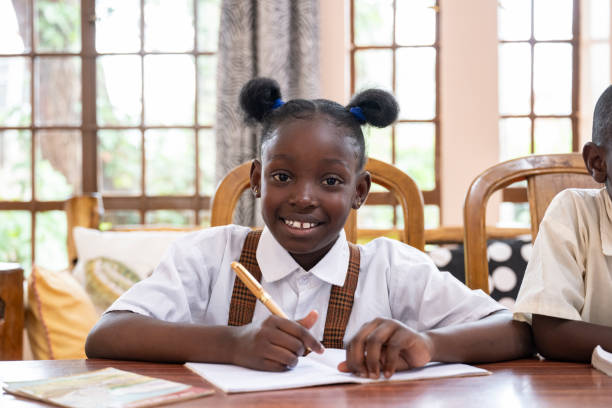
Above are the top 10 best English-speaking tribes in Uganda, and are often noted for their strong English-speaking ability.
While this list covers major ethnic groups, English is a second language for most. However, it is important to understand that language fluency is influenced more by exposure, education, and environment than by the tribe itself.