South Sudan is home to many ethnic groups, each with its own unique culture and history. Education levels can vary widely between tribes due to historical, geographical, and socio-economic factors.
However, higher education is the foundation of a nation’s growth. We have so many tribes in South Sudan, and not all of them are interested in education.
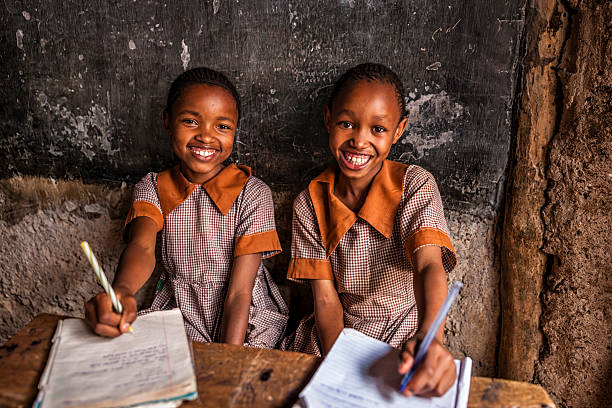
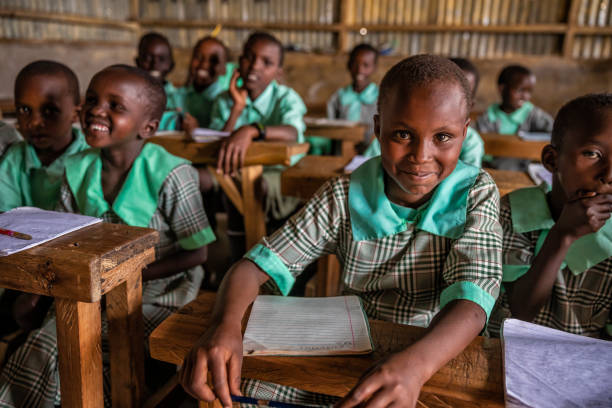
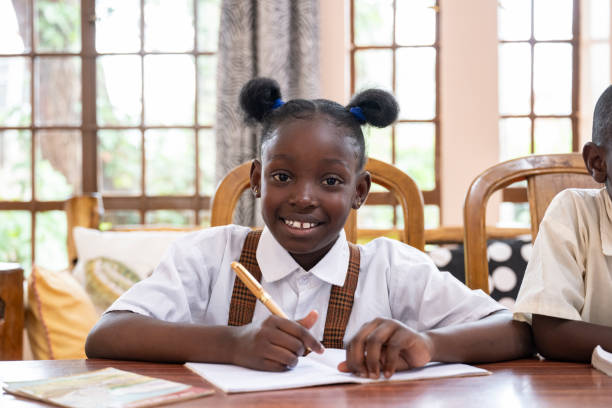
While South Sudan as a country has a high illiteracy rate, education is one of the top priorities, as many parents now force some of their kids to go to school.
Therefore, in this article, we will be giving out the top 8 most educated tribes in South Sudan. In other words, education is not measured by wealth but by the range of academic qualifications.
Read Also: Top 8 Best Tribes To Marry In Uganda for 2026
Top 8 Most Educated Tribes in South Sudan
1. Dinka
The Dinka tribe, South Sudan’s largest ethnic group, are often considered among the most educated due to its prominence in politics, public service, and the professional class, driven by early access to education and leadership roles.
While formal education data is limited, they hold significant influence. Due to their love for education, most government institutions are headed by them.
Their educational narrative is closely tied to the country’s, navigating conflict and modernisation, though they often rely on traditional pastoral systems.
2. Madi
The Madi people, a small community concentrated around Nimule, are often considered highly educated in South Sudan due to early exposure to formal education through missionaries and high levels of displacement to Uganda, which provided access to better schooling.
Their proximity to the Ugandan border has facilitated strong educational and economic opportunities, resulting in many working in NGOs and cross-border trade.
The Madi are generally settled agriculturalists (hoe cultivators) with strong community structures that often value education for social advancement, especially in the context of returning to rebuild in South Sudan.
However, there are so many popular politicians, poets, writers, and journalists who are Madi.
3. Bari
The third on the list is the Bari people of South Sudan, centred around the capital city of Juba, who are historically recognised as highly educated due to early exposure to colonial education, missionary schools, and urbanisation.
Their strategic location along the Nile made them hubs for literacy and administrative roles, fostering a strong educational foundation.
4. Shilluk
The Shilluk (Chollo) people are historically recognised as one of the country’s most educationally and politically organised ethnic groups because they are well-educated, academically stable, and also do well.
This reputation stems from their unique socio-political structure and early adoption of sedentary lifestyles compared to their neighbours.
During the colonial period, many Shilluk converted to Christianity, which brought with it the establishment of mission schools that became the bedrock for the community’s early educated elite.
5. Kuku
The Kuku people, primarily located in the Kajo-Keji region of South Sudan, are number five on the list and are frequently regarded as highly educated due to early exposure to missionary education, a strong emphasis on formal schooling, and high literacy rates.
They are a small, resilient, and agrarian community within the Bari-speaking group, emphasising community development.
The Kuku are often noted for valuing education, which has historically resulted in a high number of educated individuals, professionals, and a strong culture of literacy within the community.
6. Nuer
The Nuer are also one of South Sudan’s largest ethnic groups, approximately 3–4 million, known for their resilience, significant political influence, and a high level of traditional and formal education, largely stemming from a strong emphasis on leadership, oral history, and adaptation in modern society.
The community has historically produced prominent leaders in both military and political spheres, which often drives an emphasis on formal education.
However, the Nuer are said to have given out a lot and received small in return, so through education, they will be able to make a great change and positive effects on the economy.
7. Acholi
The Acholi people in South Sudan, primarily located in Magwi County of Eastern Equatoria, are part of a larger, predominantly Ugandan Luo group.
This tribe is often noted for high educational engagement compared to some surrounding groups due to historical missionary presence; they face educational challenges from regional conflict and poverty.
8. Mundari
The Mundari are a small Nilotic ethnic group primarily located in Terekeka County, Central Equatoria State, in South Sudan, residing along the White Nile.
While they are renowned for their traditional, cattle-centred, semi-nomadic lifestyle, often described as “primitive” in terms of infrastructure, they are also recognised as placing high value on education within their communities.
In other words, while education is valued, the Mundari are primarily agriculturalists and herders. Their society is built around the sacred cow, and wealth is measured by the number of livestock they own.
Frequently Asked Questions (FAQs)
1. Which tribe is most powerful in South Sudan?
The Dinka form the largest ethnic group in South Sudan. In general, it is also the group that enjoys the most economic and political power.
2. What is the tallest tribe in South Sudan?
The tallest tribe in South Sudan is the Dinka tribe. Their average height is well over six feet or 182 centimetres, but many are way taller than that.
3. Who is the most popular person in South Sudan?
President Salva Kiir emerges as the most famous in South Sudan, according to the Africa First charts.
Conclusion
All the tribes highlighted above are some of the best-educated tribes in South Sudan.
While certain tribes may appear more represented in education due to historical and social advantages, education in South Sudan is a growing national priority that cuts across all ethnic boundaries.