Are you seeking to know the richest tribes in Uganda? If yes, then in this article, we will be exploring or highlighting some of the richest tribes in Uganda.
And according to research, Uganda is a culturally diverse country made up of many ethnic groups, each contributing uniquely to the nation’s economy, traditions, and social structure.
Progressively, certain tribes have become more economically eminent due to factors such as their geographical location, involvement in trade, agriculture, and natural resources. Therefore, we will now explore the top 10 richest tribes in Uganda.
Read Also: Top 8 Most Educated Tribes In Liberia for 2026
Top 10 Richest Tribes In Uganda 2026
1. Baganda
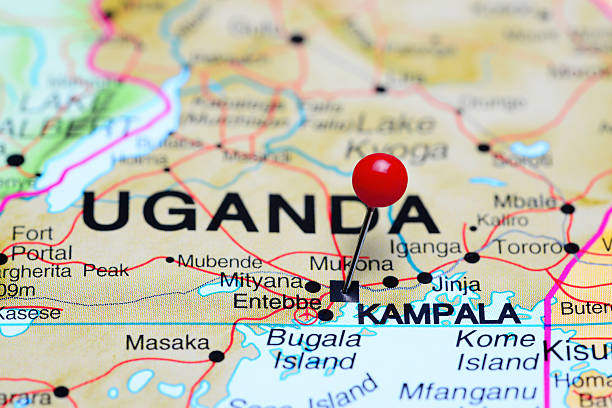
The Baganda people are widely considered the wealthiest tribe in Uganda, due to their central location, control of commercial hubs and historically dominant agriculture, particularly coffee and bananas.
Their economic strength is supported by fertile lands, early adoption of cash crops, and access to higher education and infrastructure. They’re also known as the largest ethnic group in Uganda.
Traditionally based in agriculture, they are major producers of coffee and bananas, with coffee serving as a significant cash crop.
2. Banyakole
The Banyankole are a Bantu-speaking people from southwestern Uganda and are traditionally considered among the wealthiest tribes, largely due to their deep-rooted, status-defining cattle-keeping culture.
However, the indigenous long-horned cattle provide milk, meat, and hides, serving as both a food source and a measure of prestige.
In traditional society, a person’s social status was largely defined by the size of their herd. Besides cattle, they engage in agriculture, growing millet, sorghum, potatoes, and bananas.
3. Basoga
The Basoga tribe also ranks as the richest in Uganda because it represents about 8.4% of Uganda’s population, and they are the major Bantu ethnic group located in the east of the Baganda kingdom.
Their economic strength is primarily rooted in agriculture, growing cassava, millet, potatoes and rich fishing resources from Lake Victoria, forming a strong, industrious community despite historical population losses.
The Basoga are highly involved in agriculture and are largely farmers and fishermen.
4. Batooro
The Batooro are located in the western part of Uganda. They benefit from agricultural wealth, tourism, and a stable, educated population.
The Batooro are known for their high self-esteem, patriotism, and respect for tradition, with the name “Batooro” relating to their ceremonial culture.
However, beyond agriculture, the region has benefited from natural resources, such as copper from the former Kilembe mines, and tourism.
5. Bakiga
The Bakiga (or Abakiga), known as the people of the mountains, are a Bantu ethnic group native to southwestern Uganda and northern Rwanda.
The people of Uganda are known for their industriousness, resilience, and agricultural expertise. The Bakiga have transitioned from a marginalised group during the colonial era into a powerful and economically influential community in modern Uganda.
The people of Bakiga produce significant amounts of sorghum, millet, sweet potatoes, beans, and Irish potatoes. The introduction of cash crops like tea and coffee has diversified their income and increased household prosperity.
6. Iteso
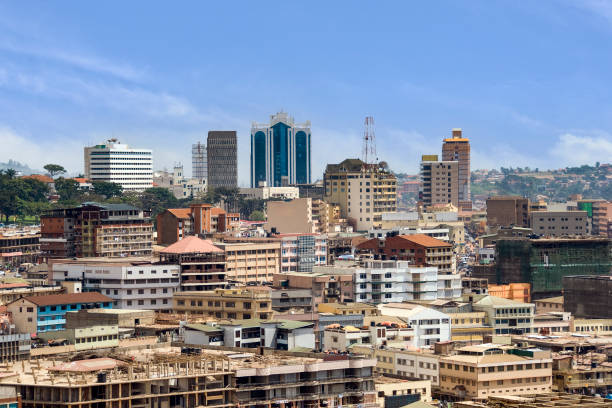
The Iteso people, residing mainly in Eastern Uganda, are considered economically prosperous due to their strong agricultural base, particularly in cattle keeping and cultivation of cash crops like cotton and millet, and this ranks them among the richest tribes in Uganda.
They are not nomadic but settled farmers, maximising productivity through ox-plough technology, which traditionally made them a resilient and self-sufficient community.
7. Langi
The Langi is a key group in northern Uganda with a strong agricultural base. At the same time, they are sometimes considered one of the more economically resilient groups in the Northern Region due to their historically high agricultural production.
However, the Langi are recognised for their industrious nature, rich agricultural practices, and significant contribution to Uganda’s cotton industry.
8. Bakonjo
The Bakonjo, primarily inhabiting the Rwenzori Mountains in Western Uganda, are a resilient Bantu-speaking group.
They are considered economically robust due to intensive subsistence agriculture of growing cash crops such as matoke, coffee, and cotton. They are also involved in cultivating cassava, potatoes, and beans alongside livestock rearing.
Their deep cultural identity is rooted in mountain farming, strong social bonds, and they hold strong traditional rituals, including male circumcision.
9. Acholi
The Acholi people, primarily located in Northern Uganda, Gulu, Kitgum, Pader, are a Nilotic ethnic group historically focused on subsistence agriculture, millet, cassava and livestock rearing.
Historically, the Acholi were pastoralists but are now mainly agriculturalists who raise chickens, goats, and cattle. They also grow crops like sweet potatoes, cassava, millet, and tobacco.
10. Bagisu
The Bagisu (or Bamasaba) people, located in eastern Uganda on the slopes of Mount Elgon, are consistently recognised as one of the most economically prosperous tribes in the country, largely due to their agricultural success and specialised production of high-quality coffee, and it ranks them among the richest tribes in Uganda.
The region is well-watered and has some of the most fertile land in Uganda, allowing for sustainable commercial agriculture and a high density of food production of bananas, maize, beans, and millet.
And besides coffee, they grow cotton on the lower plains and tobacco, which adds to their income sources.
Frequently Asked Questions (FAQs)
1. Which tribe has the largest land in Uganda?
The kingdom of the Baganda people, Buganda, is the largest of the traditional kingdoms in present-day East Africa, consisting of Uganda’s Central Region, including the Ugandan capital Kampala.
2. What is the poorest district in Uganda?
The poorest district in Uganda is the Kotido district, they have the highest rates of both poverty and child poverty.
3. What is the oldest tribe in Uganda?
The Batwa tribe is the oldest in Uganda. The Batwa tribe is said to have been the first inhabitants of the mountain forests of the Rift Valley and one of the world’s first Homo sapiens, along with the Kalahari San people.
4. Which tribe is the majority in Uganda?
The largest ethnic group in Uganda is the Baganda. This is a Bantu-speaking ethnic group which makes up approximately 17% of the country’s population.
Conclusion
The Baganda, Banyakole, Basoga, Batooro, Bakiga, Iteso, Langi, Bakonjo, Acholi, and Bagisu are the richest tribes in Uganda, with their source of wealth mainly from agricultural produce, trade and natural resources.